In May 2025, Global Mangrove Trust (GMT), in collaboration with Yayasan Gajah Sumatera (YAGASU), held a series of high-level meetings with government stakeholders in North Sumatra to strengthen institutional alignment for the expansion of its Blue Carbon Restoration Project, which currently serves nine villages across Langkat and Deli Serdang regencies and aims to scale to twelve.
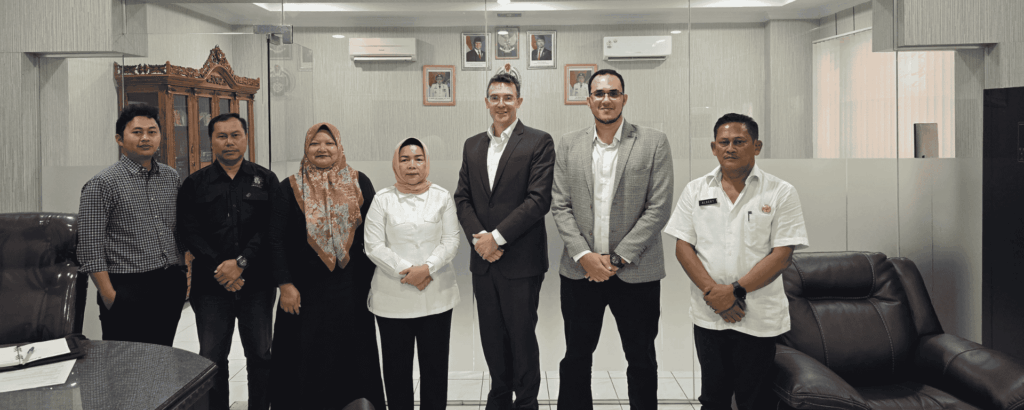
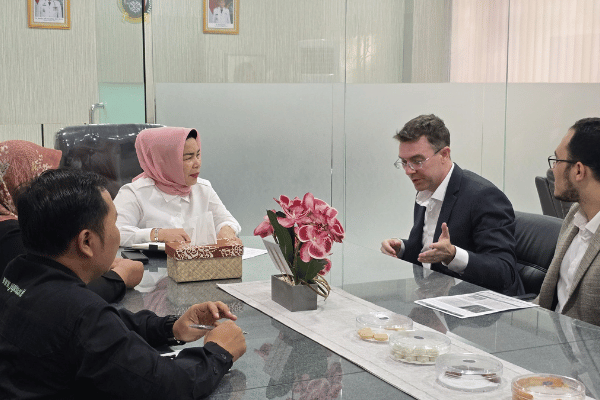
One of the key engagements took place at the Office of Environment and Forestry (DLHK) of North Sumatra Province, where Ir. Yuliani Siregar, MAP, Head of the Provincial Forest Department, formally received the project delegation. The meeting was led by Dr. Meilinda Suriani Harefa, Managing Director of YAGASU, and attended by Dr. Ryan Merrill, Executive Secretary of GMT, and Dr. Mohamed Els. Abdelwareth, Lead Impact Analyst at GMT.
Discussions with DLHK centered on the project’s alignment with the province’s environmental priorities, particularly natural resource conservation and carbon emission reduction, as outlined in North Sumatra’s development vision. The provincial leadership expressed strong support for the initiative, recognizing its potential to deliver long-term ecological and socio-economic benefits through collaborative action.
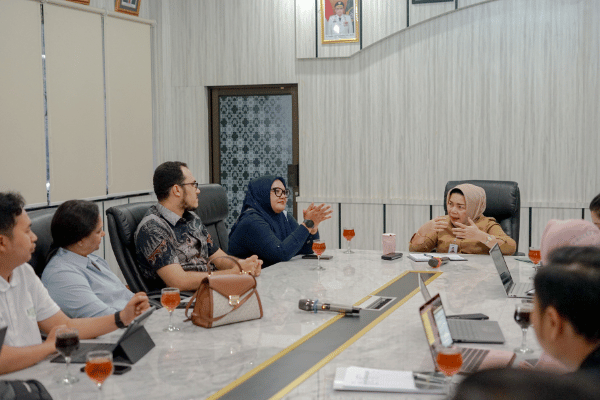
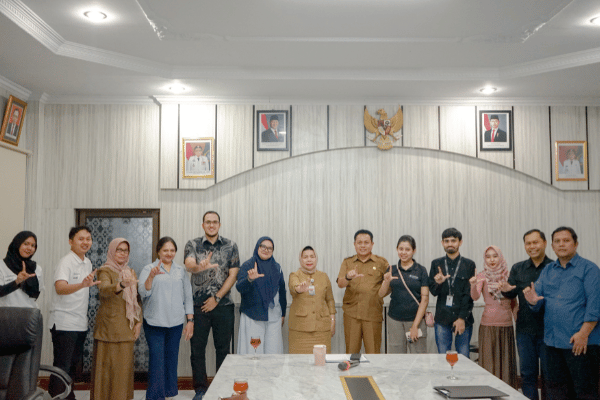
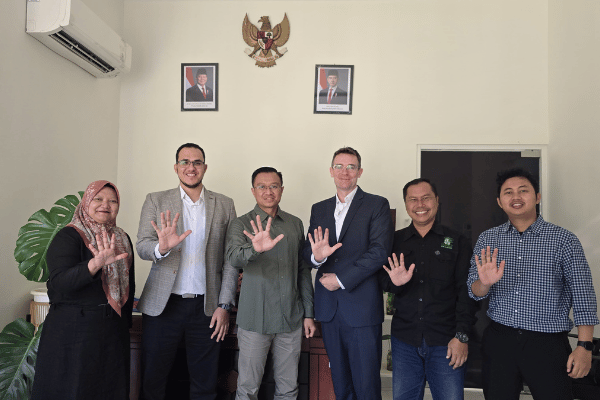
In a separate meeting, the GMT-YAGASU team also engaged with the Head of the Social Forestry Division for the Sumatra region, further reinforcing the multi-level institutional support behind the program. This regional engagement helped clarify pathways for village-level coordination and the integration of community forestry schemes within the restoration framework.
Dr. Merrill and Dr. Abdelwareth joined both strategic and technical discussions, representing GMT’s leadership and analytical expertise. Together, they underscored GMT’s commitment to science-based, inclusive implementation, covering topics such as the project’s data architecture, carbon accounting strategy, and the importance of aligning restoration efforts with local governance systems.
These meetings mark a critical step in building a strong foundation for the project’s feasibility and implementation phases. We extend our appreciation to YAGASU for leading coordination efforts on the ground, and to our government counterparts for their openness and collaboration as we work together to unlock blue carbon’s potential for climate resilience and community empowerment in Sumatra.