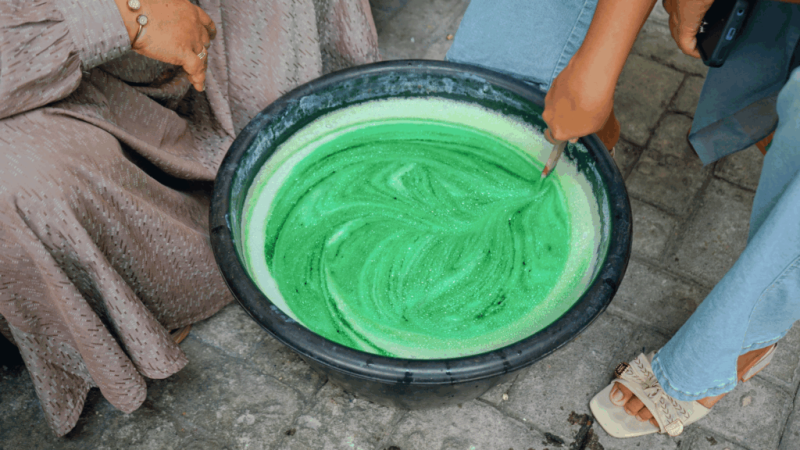
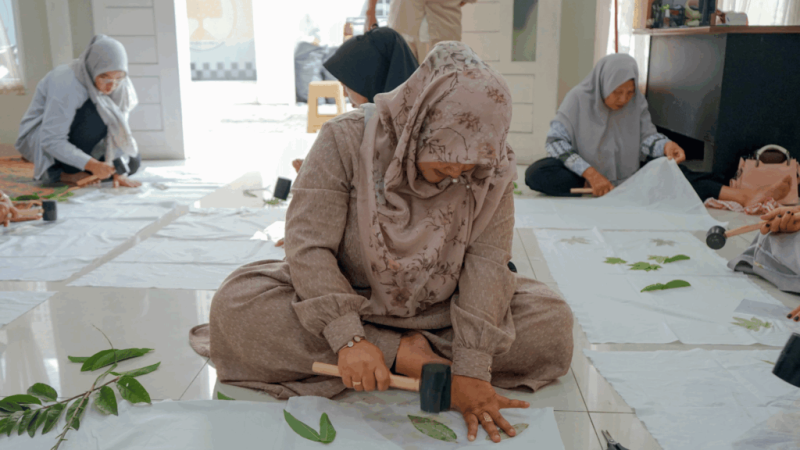
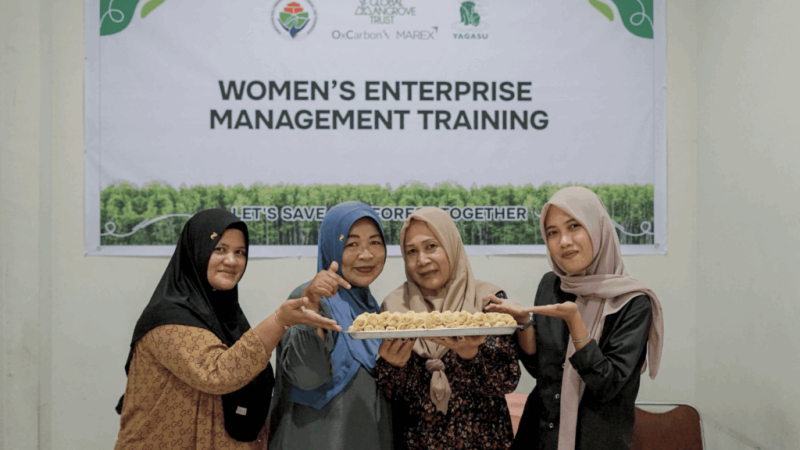
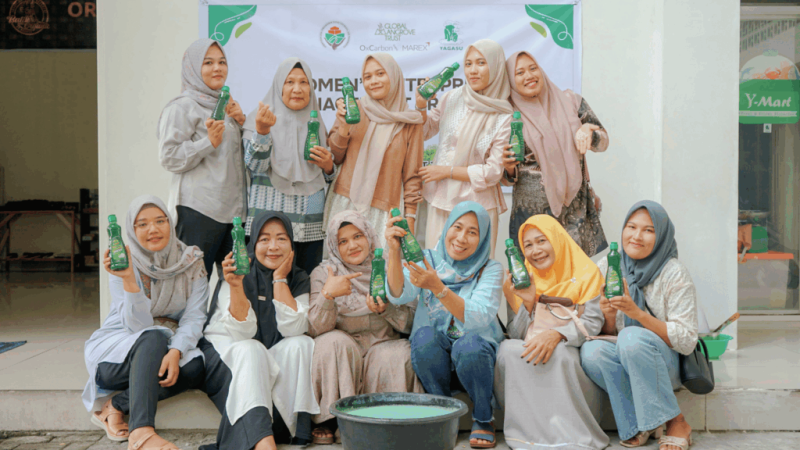
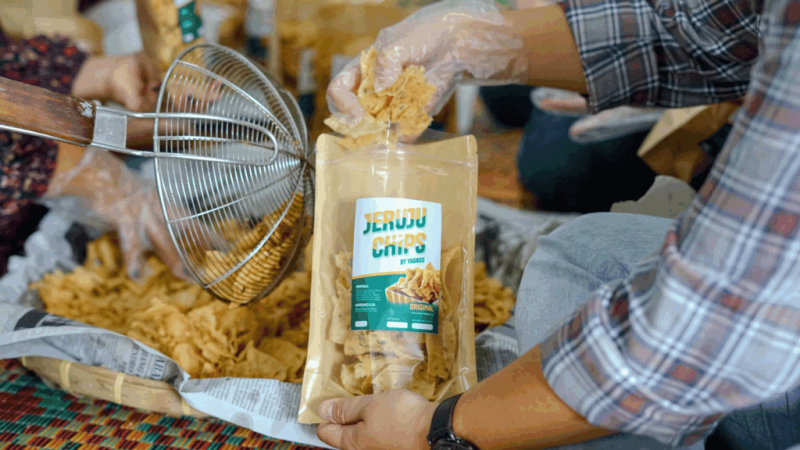
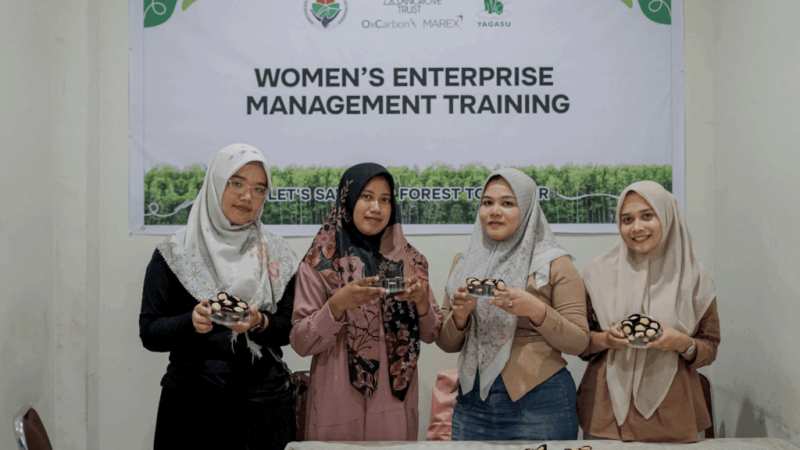
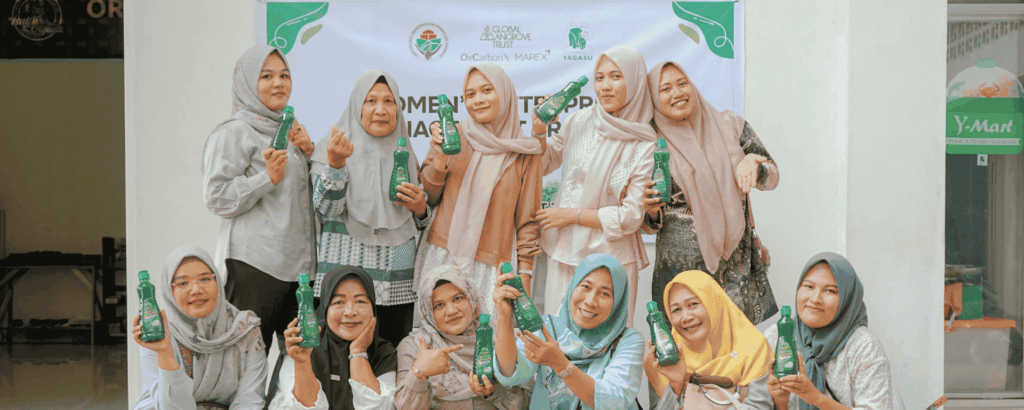
In February 2025, a series of hands-on trainings were conducted across four villages in North Sumatra—Sahalji, Pangkalan Siata, Palau Kampai, and Halaban—focusing on the development of mangrove-based products. Close to 50 women from diverse communities took part in these sessions, which introduced skills for producing herbal soaps, ecoprint batik cloths, and food items like Jeruju (Acanthus ilicifolius) chips and cookies.

Delivered in collaboration with our local partner Yagasu, these trainings form part of the Income Generating Activities (IGA) component of the 001-OxC Watershed Extension Project. The goal is to enable women to explore sustainable, locally grounded livelihood opportunities that are linked to their surrounding ecosystems.
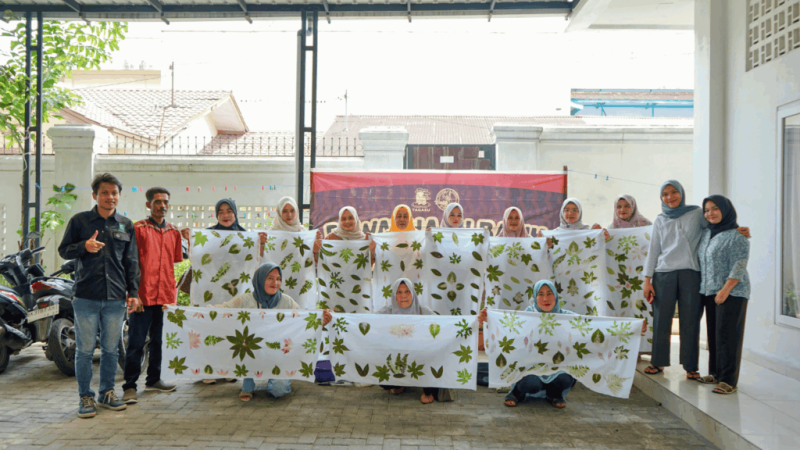
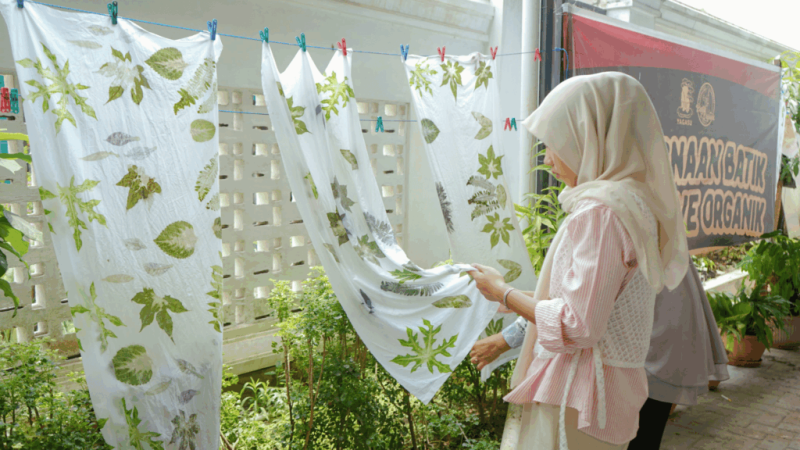
Mangrove-based products offer environmental, cultural, and economic value. Soaps made from mangrove extracts are known for their natural antibacterial properties. Ecoprint batik cloth uses locally sourced leaves and natural dyes, creating low-impact textiles that celebrate local identity. Jeruju-based snacks provide nutritional value and tap into traditional coastal knowledge. These goods represent viable alternatives to conventional products, while also creating a local value chain grounded in mangrove conservation.

In addition to training, ongoing support is being provided to help these women groups scale their efforts—from improving product quality and packaging to connecting with markets and building customer networks. Guidance is also being offered in organizing production cycles and handling sales logistics. The aim is not just skill-building, but supporting the full transition from learning to earning.

This work builds on earlier IGA efforts across the region. With each cycle, the interest and initiative from women in these communities has grown. Several groups are now producing and selling on their own, with continued assistance in navigating local markets and expanding reach. These early steps are helping to create income pathways that are environmentally sustainable and community-owned.

The IGA program reflects a broader effort to advance community-led conservation through adaptable, place-based approaches that restore ecosystems and improve lives. Linking livelihoods with landscape protection remains a key part of this work, especially in regions where economic alternatives are limited.

Further updates will follow as the initiative continues to expand across additional sites and communities.