
Disaster Synopsis
In late November 2025, extreme weather associated with Cyclone Senyar, combined with intensified monsoon rainfall, triggered widespread flooding and landslides across Sumatra. The event caused significant loss of life, large-scale displacement, and extensive damage to housing and public infrastructure, with the most severe impacts recorded in Aceh, followed by parts of North Sumatra.
Based on the latest data published on the BNPB national disaster dashboard, the disaster has resulted in 1,140 confirmed fatalities, 163 people reported missing, and approximately 399,200 people displaced across 52 affected districts/cities. In North Sumatra, provincial-level data indicates substantial damage to housing and public infrastructure. A total of 166,925 houses have been reported as damaged, comprising 53,555 severely damaged, 41,925 moderately damaged, and 71,445 lightly damaged homes. Public infrastructure impacts include 215 damaged health facilities, 3,188 damaged educational facilities, 803 damaged houses of worship, and 97 damaged bridges.
Context on the Ground
Fortunately, our project villages have proven largely resilient to the most severe impacts, due in large part to the presence of large mangrove buffers and community preparedness. Across these villages, communities largely remained safe, no major casualties were reported, and most disruptions were temporary. In the majority of locations, conditions stabilised and daily activities resumed within approximately two weeks, with only limited recovery actions required in a small number of areas affected by landslides or temporary isolation.
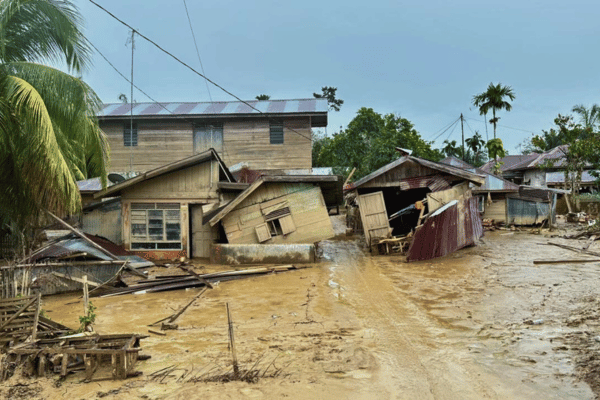
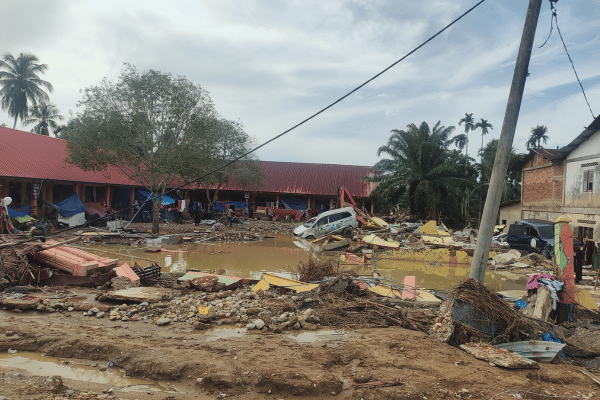
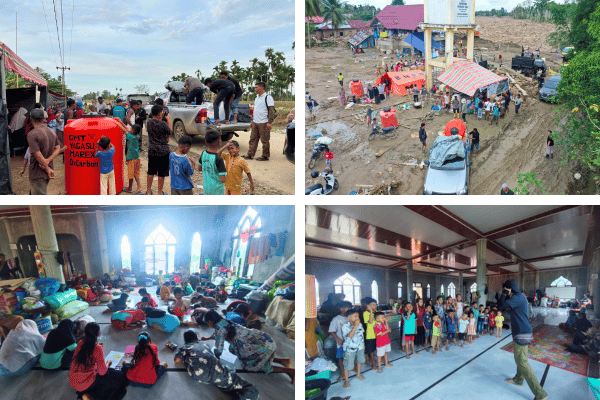
In contrast, conditions in neighbouring parts of Aceh, particularly Aceh Utara and Aceh Timur, were significantly more severe. Field observations and partner assessments indicated prolonged flooding, landslides blocking access routes, damaged or unsafe housing, disrupted electricity and mobile connectivity, unsafe water sources, fuel shortages, and non-functional local markets. These combined factors substantially constrained household self-recovery and shaped the need for sustained external support through December.
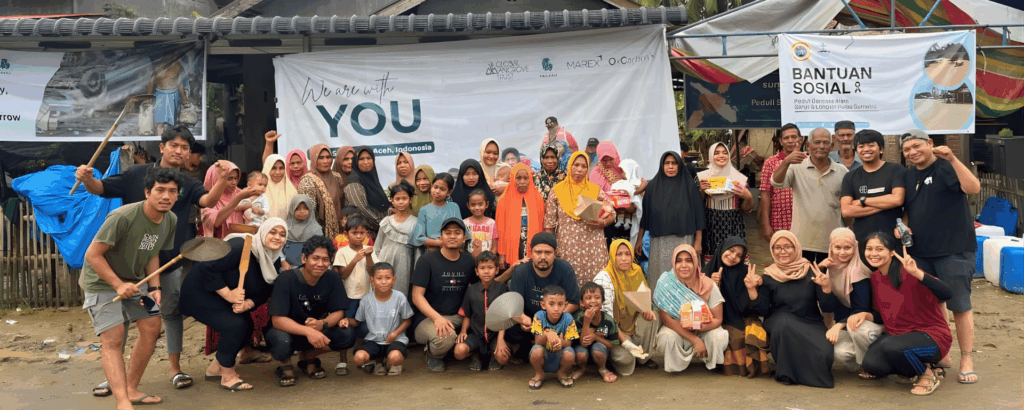
Throughout the response period, Yayasan Gajah Sumatera (YAGASU) has been working relentlessly on the ground. Field teams operated day and night, navigating difficult access conditions to ensure that support reached the most vulnerable communities as quickly and safely as possible. Their sustained presence, local knowledge, and coordination with village leaders were central to maintaining continuity of response activities under challenging circumstances.
Field Response and Key Actions
In response to these conditions, initial emergency response activities were enabled through catalytic funding deployed from our strategic reserve, allowing rapid mobilisation during the early phase of the disaster. This was followed by additional disbursements supported by our partners, which enabled operations to continue and scale beyond the initial response phase. Working closely with our local partner, Yayasan Gajah Sumatera (YAGASU), we supported a targeted field response focused on practical, immediate needs in areas where access constraints and service disruption were most severe.
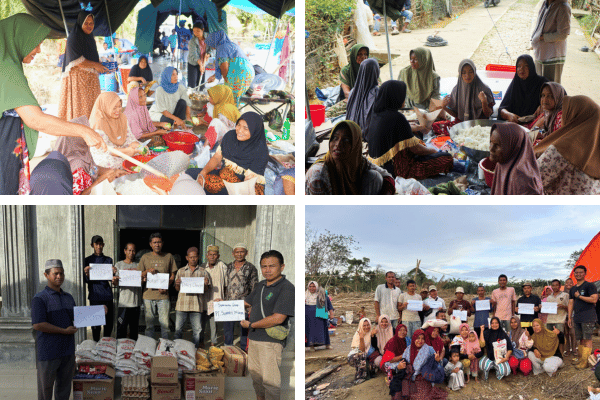
Community kitchens formed the backbone of the response in locations where household cooking, fuel access, and local markets were no longer functional. In Alue Sentang, Aceh Tamiang, we supported an existing community kitchen in early December, ensuring uninterrupted meal provision for affected households. During this period, the kitchen consistently produced approximately 250 lunches and 250 dinners per day, with distribution coordinated closely with village leaders to ensure equitable access.
As conditions evolved, the kitchen operation was relocated to Abeuk Geulanteu, Aceh Timur, where it operated continuously for six days. Daily meal production increased to approximately 300 lunches and 300 dinners, supporting both the host village and nearby affected areas. This sustained provision of cooked food was critical during a period when fuel shortages, damaged kitchens, and non-functional markets limited household options.
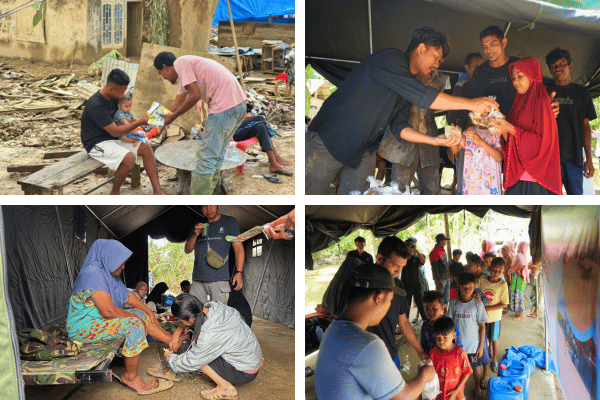
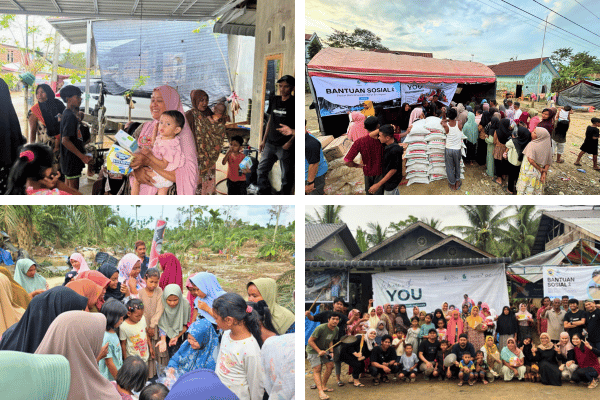
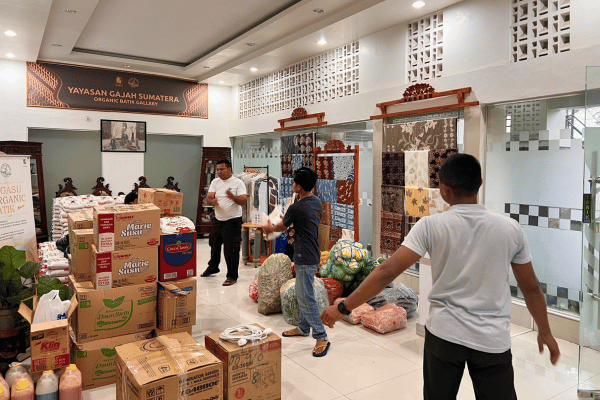
Alongside meal provision, essential relief items were distributed in parallel, particularly in locations where kitchen operations were not feasible or where additional support was required. These distributions focused on food supplies, clean water, hygiene items, basic medicines, and care items for infants and elderly community members. All distributions were documented to ensure fairness and accountability.
Water, Health, and Psychosocial Support
Access to clean water emerged as a critical constraint in several locations. In response, communal water basins were installed in Abeuk Geulanteu, restoring access to safe water for daily household use. Additional water infrastructure systems were later installed in Langkahan, North Aceh, providing shared access to clean water for multiple surrounding villages and supporting drinking, cooking, and hygiene needs beyond the duration of emergency kitchen operations.
Recognising the prolonged disruption faced by affected communities, psychosocial support activities were implemented for children in East Aceh, using structured, age-appropriate activities to help restore routine and emotional stability. Toward the end of December, medical support activities were initiated to respond to reported increases in diarrhoeal illness and skin conditions, linked to flooding, contaminated water sources, and limited hygiene access.
Logistics, Coordination, and Current Status
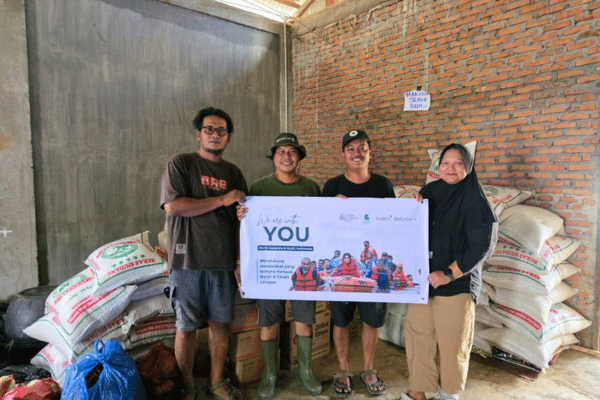
Langsa served as the primary logistics hub throughout the response period, receiving supplies transported overland and supporting onward distribution to field locations as access conditions allowed. Field teams operated on rotational schedules to maintain continuity and effectiveness under demanding conditions, while stock movements were tracked to support operational coordination and transparency.
By the end of December, conditions in many parts of North Sumatra had stabilised, with recovery activities ongoing in a small number of locations affected by landslides or temporary isolation. In Aceh, humanitarian needs remained higher due to sustained displacement, infrastructure damage, and continued access constraints, particularly in northern and eastern districts.
Reflections and Looking Ahead
The Late-November 2025 floods and landslides highlight the combined effects of extreme weather, prolonged rainfall, and landscape vulnerability. Field observations reinforce the protective role of intact mangrove systems, which helped reduce flood energy, limit erosion, and support faster stabilisation in adjacent settlements. Where natural buffers remained intact and community preparedness was strong, impacts were notably less severe.
While emergency response remains essential during extreme events, long-term risk reduction will depend on strengthening ecosystem protection, improving access resilience, and supporting locally grounded preparedness measures. These considerations will continue to inform our work as recovery progresses and future risks are assessed.
